

• KSEBM
  • Contact us
  • E-Submission
ABOUT
BROWSE ARTICLES
EDITORIAL POLICY
FOR CONTRIBUTORS

Page Path

  • HOME
  • Browse articles
  • Most downloaded articles
22
results for

Most downloaded articles

Filter

Article category

Keywords

Publication year

Authors

Funded articles

Most downloaded articles

Most-download articles are from the articles published in 2024 during the last three month.

Reviews

Evidence-based practice and evidence-practice gap: status, challenges, and solutions
Soo Young Kim
J Evid-Based Pract 2025;1(1):1-6.   Published online March 31, 2025
DOI: https://doi.org/10.63528/jebp.2025.00001
Evidence-Based Practice (EBP) is an approach that utilizes the best evidence for patient care, and its importance is growing in various fields to improve patient-centered care. However, the Evidence-Practice Gap (EPG) that occurs in the practical application of EBP remains a significant problem. EPG refers to the gap between research results and actual clinical practice, which can hinder the optimization of patient care and lead to inefficiencies in the healthcare system. This review introduces the concepts of EBP and EPG and examines educational approaches such as Sicilian statements and Core Competencies in Evidence-Based Practice. In addition, we discuss translational research, knowledge transfer, multidisciplinary collaboration, and evidence-based policymaking, which are key efforts to resolve EPG. In addition, we emphasize the importance of setting research directions using the Evidence Gap Map (EGM) along with national strategies to promote the spread of EBP. This paper discusses how strategic approaches and policy efforts to resolve the EPG can contribute to the actual clinical application of EBP, and suggests future research directions.

Citations

Citations to this article as recorded by  
  • The Mediation Effect of Nurses’ Artificial Intelligence Literacy Between Professional Self‐Concept and Evidence‐Based Practice: A Cross‐Sectional Study
    Shanwei Li, Liping Wu, Yan Tang, Saba Noor
    Journal of Nursing Management.2026;[Epub]     CrossRef
  • Determining the Organizational Culture and Readiness for Evidence‐Based Practice Amongst Surgical Ward Nurses in Namibia: A Cross‐Sectional Study
    Anna Ndapandula Haifete, Petra Brysiewicz
    Health Science Reports.2026;[Epub]     CrossRef
  • 11,017 View
  • 224 Download
  • 2 Crossref
Evolution of evidence-based medicine: toward digital evidence ecosystems and artificial intelligence
Soo Young Kim
J Evid-Based Pract 2026;2(2):56-61.   Published online September 29, 2026
DOI: https://doi.org/10.63528/jebp.2026.00016
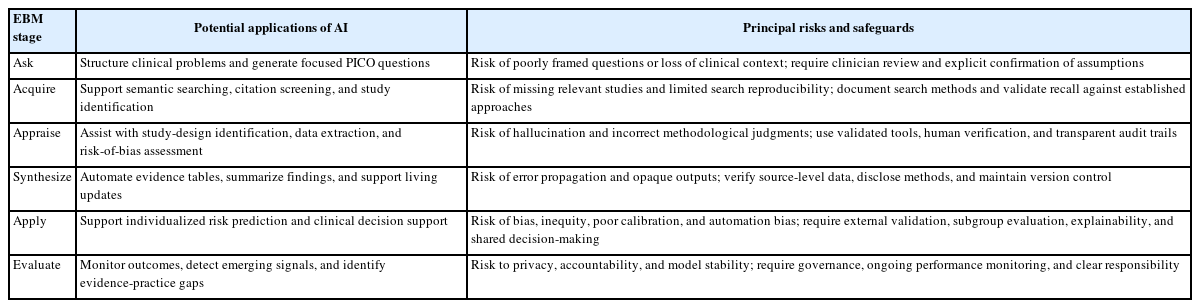
Evidence-based medicine (EBM) has transformed clinical decision-making by integrating the best available research evidence with clinical expertise and patients’ values and preferences. Over the past three decades, EBM has evolved from the critical appraisal of individual studies into a broader framework encompassing evidence synthesis, clinical practice guidelines, assessment of evidence certainty, research transparency, and shared decision-making. Despite these advances, contemporary EBM faces important challenges, including the rapidly increasing volume of research, delays in evidence synthesis and implementation, limited applicability of randomized controlled trials to heterogeneous real-world populations, and difficulties in individualizing population-level evidence. Emerging approaches—including real-world evidence, living evidence, learning health systems, precision medicine, and artificial intelligence (AI)—offer opportunities to address these limitations. Together, these approaches may enable a transition from static to continuously updated evidence, from population-average to more personalized evidence, and from a linear evidence pipeline to a learning evidence ecosystem in which clinical practice both uses and generates evidence. AI may further accelerate evidence retrieval, synthesis, updating, and individualized decision support, while introducing challenges related to reliability, bias, transparency, reproducibility, and accountability. Next-generation EBM should therefore be conceptualized not as a replacement for traditional EBM but as its evolution into a digitally connected, continuously learning evidence ecosystem. In the AI era, the foundational principles of EBM—source verification, critical appraisal, uncertainty assessment, integration of patient preferences, and accountable human judgment—will become increasingly important.
  • 40 View
  • 0 Download

Original Article

Interpreting patient values and preferences in clinical practice guideline development: distinguishing reliance on physician judgment from treatment outcome preferences – an exploratory multicenter study in patients with anal cancer
Hyo Seon Ryu, Jung-Myun Kwak, Kil-Yong Lee, Dalyong Kim, Dong Hyun Kang, Heather Swan, Hyun Jung Kim
J Evid-Based Pract 2026;2(2):98-106.   Published online September 29, 2026
DOI: https://doi.org/10.63528/jebp.2026.00015
Background
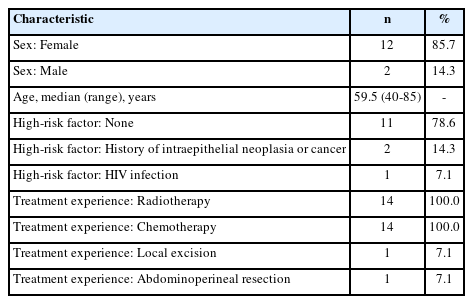
Patient values and preferences are important in clinical practice guideline development, but responses indicating reliance on physician judgment may be difficult to interpret. We examined whether such reliance can coexist with explicit preferences about treatment outcomes and trade-offs.
Methods
We conducted an exploratory secondary analysis of a 22-item cross-sectional survey completed by 14 adults with anal cancer recruited from four hospitals during guideline development. The survey assessed decision-making participation, responses to specific clinical scenarios, rankings of six treatment goals, and treatment-acceptance thresholds. Ten scenario items included the option “I would follow my treating physician’s judgment.” Analyses were descriptive and emphasized within-participant response patterns.
Results
Ten participants (71.4%) generally preferred shared decision-making, yet 11 selected physician judgment in at least one scenario. All 11 completed a full ranking of treatment goals, and 9 completed both trade-off threshold items. Among seven participants who relied on physician judgment for salvage treatment, all completed the ranking and six completed both thresholds; five required at least a 20% survival improvement to accept surgery resulting in a permanent stoma. Although permanent stoma ranked fourth among six goals overall, 11 of 13 respondents required at least a 20% survival improvement to accept such surgery.
Conclusions
Reliance on physician judgment did not necessarily indicate an absence of patient preferences. Guideline-related preference studies should distinguish preferences for the decision process, general priorities among outcomes, and context-specific benefit-risk trade-offs. Responses indicating reliance on physician judgment should not automatically be treated as “no preference” or missing information.
  • 23 View
  • 0 Download

Review

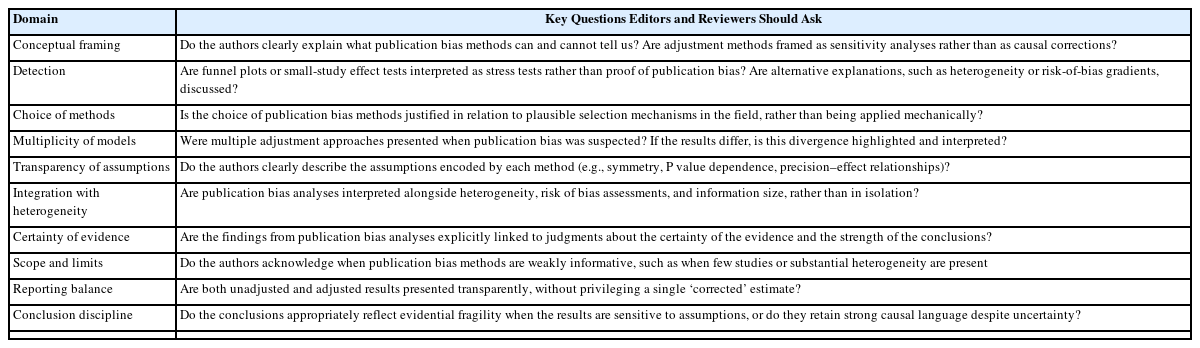
Publication bias is a fundamental threat to the validity of systematic reviews and meta-analyses in clinical medicine. Yet current practice often reduces its assessment to the mechanical application of funnel plots, asymmetry tests, or single adjustment procedures, with limited attention to the underlying assumptions, alternative explanations, or implications for evidence certainty. This narrative methodological article reframes publication bias assessment as an interpretive and editorial responsibility rather than a purely technical problem. We examine what commonly used methods can and cannot reliably support. Detection tools function as nonspecific stress tests that identify deviations from simplified models; they do not diagnose selective publication but highlight situations in which the underlying assumptions require closer inspection. Adjustment approaches, including trim-and-fill, selection models, and regression-based methods, generate hypothetical estimates under unverifiable assumptions**, and therefore provide** sensitivity analyses rather than corrections that recover the true underlying effect. Divergence across adjustment methods is particularly informative, signaling inferential fragility rather than analytical failure. We identify five recurring misinterpretations encountered in peer review: equating asymmetry with proof of publication bias; privileging bias-adjusted estimates as inherently more credible; relying on a single adjustment method without examining assumption dependence; ignoring the plausibility of adjustment direction and magnitude; and overlooking implications for certainty of evidence. Editors and reviewers should prioritize transparency of assumptions, seriously consider alternative explanations, and calibrate conclusions proportionately. Viewing publication bias assessment as an interpretive responsibility rather than a methodological checklist promotes more disciplined inference and strengthens trust in clinical evidence synthesis.
  • 37 View
  • 0 Download

Original Articles

Variability, algorithm conformance, and accuracy of large language model–based tools for risk-of-bias (RoB 2.0) assessment of randomized trials: a pilot study
Jiae Choi, Heather Swan, Min Jung Kim, Hyun Jung Kim
J Evid-Based Pract 2026;2(2):91-97.   Published online September 29, 2026
DOI: https://doi.org/10.63528/jebp.2026.00011
Background
Large language model (LLM)–based tools are increasingly used to automate risk-of-bias assessment of randomized controlled trials with the revised Cochrane tool (RoB 2.0). However, their reproducibility, their accuracy, and their fidelity to the deterministic algorithm mapping signalling-question responses to domain judgments remain unclear.
Methods
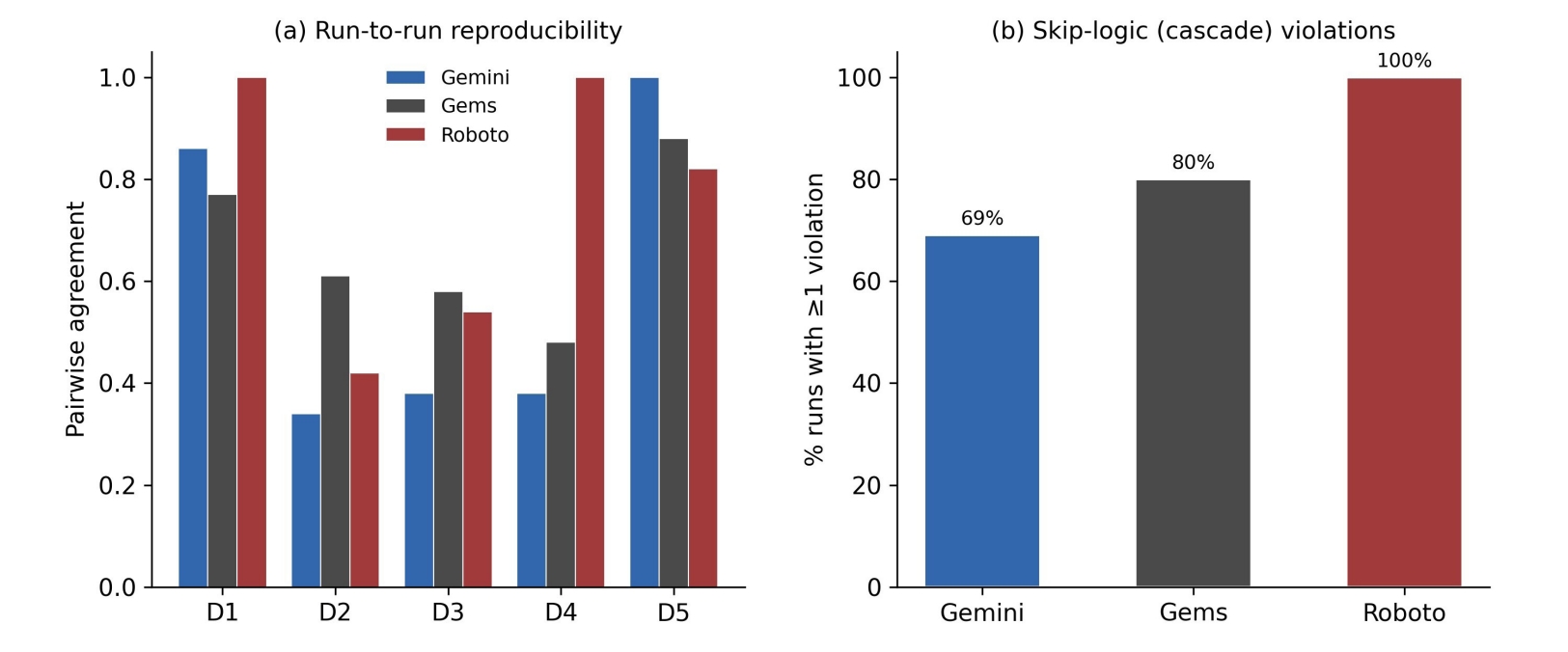
In a conference workshop, participants used an identical prompt and tool versions to assess one RCT with three configurations and entered each tool’s output verbatim (13, 15, and 10 runs). One experienced reviewer’s assessment served as the reference. For each run we computed run-to-run reproducibility, agreement with the expert, and conformance between the tool’s stated domain judgment and the judgment implied by applying the RoB 2.0 algorithm to that run’s own signalling answers.
Results
All configurations showed substantial run-to-run variability under identical conditions, greatest in the conditionally complex domain 2 (Gemini pairwise agreement 0.34). Expert agreement varied widely across configurations (mean 5–60%), and one configuration systematically under-rated risk. Even in domains with a fully specified algorithm, stated judgments frequently diverged from the value implied by the tool’s own signalling answers (domain 2, mean 42%). Skip-logic violations occurred in 69%, 80%, and 100% of runs. Recomputing domain judgments from the signalling answers improved expert agreement for the general-purpose configurations.
Conclusion
LLM-based RoB 2.0 assessments exhibited variability and errors. Whatever tool is adopted, its characteristics and variability must be recognized. Having the tool perform only atomic (single) judgments while delegating aggregation to the algorithm, together with human review, may improve accuracy.
  • 25 View
  • 0 Download
Current status and challenges of Evidence-Based Medicine education in Korean medical schools: a cross-sectional survey of 21 institutions
Hyun Jung Kim, Mookyung Oh, Jae Hung Jung, Geun Joo Choi, Heather Swan, Soo Young Kim
J Evid-Based Pract 2026;2(2):84-90.   Published online September 29, 2026
DOI: https://doi.org/10.63528/jebp.2026.00010
Background
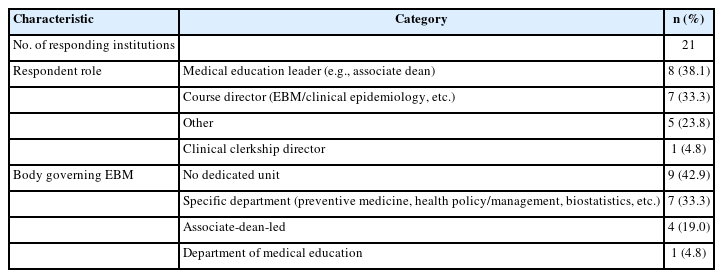
Evidence-based medicine (EBM) is an important element of medical education. However, nationwide data on EBM education in Korean medical schools are limited. This study aimed to describe the organizational structure, content, methods, and assessment of EBM education, together with barriers and support needs, and to explore factors associated with variation across schools.
Methods
A 26-item questionnaire was administered to EBM education leaders or course directors at 21 Korean medical schools. Data were analyzed descriptively, and differences by structural and exogenous characteristics were explored using cross-tabulation.
Results
Twenty-one of 40 medical schools responded. All responding institutions offered EBM as a mandatory subject, but 42.9% had no dedicated organizing unit. Coverage of classic EBM steps was high (formulating clinical questions: 95.2%; literature searching: 95.2%; critical appraisal: 76.2%), whereas AI-assisted evidence summarization was included in only 19.0%. Only 19.0% reported systematic theory–clinical integration, and 57.1% left bedside EBM to preceptor discretion. Demand for a standardized curriculum guide (90.5%) and faculty development (76.2%) was high, and 100% were willing to use externally developed materials. Variation in key outcomes was associated with organizational governance but was not explained by exogenous structural characteristics such as class size, clinical infrastructure, establishment type, or region.
Conclusions
EBM education in Korean medical schools is universally mandatory but uneven in organization, theory–clinical integration, faculty capacity, assessment, and AI integration. These differences appeared to reflect governance more than resource size, suggesting that society-level support should include organizational models alongside standardized curricula, assessment tools, and faculty development.
  • 27 View
  • 0 Download

Review

Effectiveness and safety of intravenous lipid emulsion in women with recurrent pregnancy loss or recurrent implantation failure: a systematic review and meta-analysis
Jungeun Park, Jinyoung Chang, Haine Lee, Bo Hyon Yun, Dong Ah Park
J Evid-Based Pract 2026;2(2):35-44.   Published online September 29, 2026
DOI: https://doi.org/10.63528/jebp.2026.00009
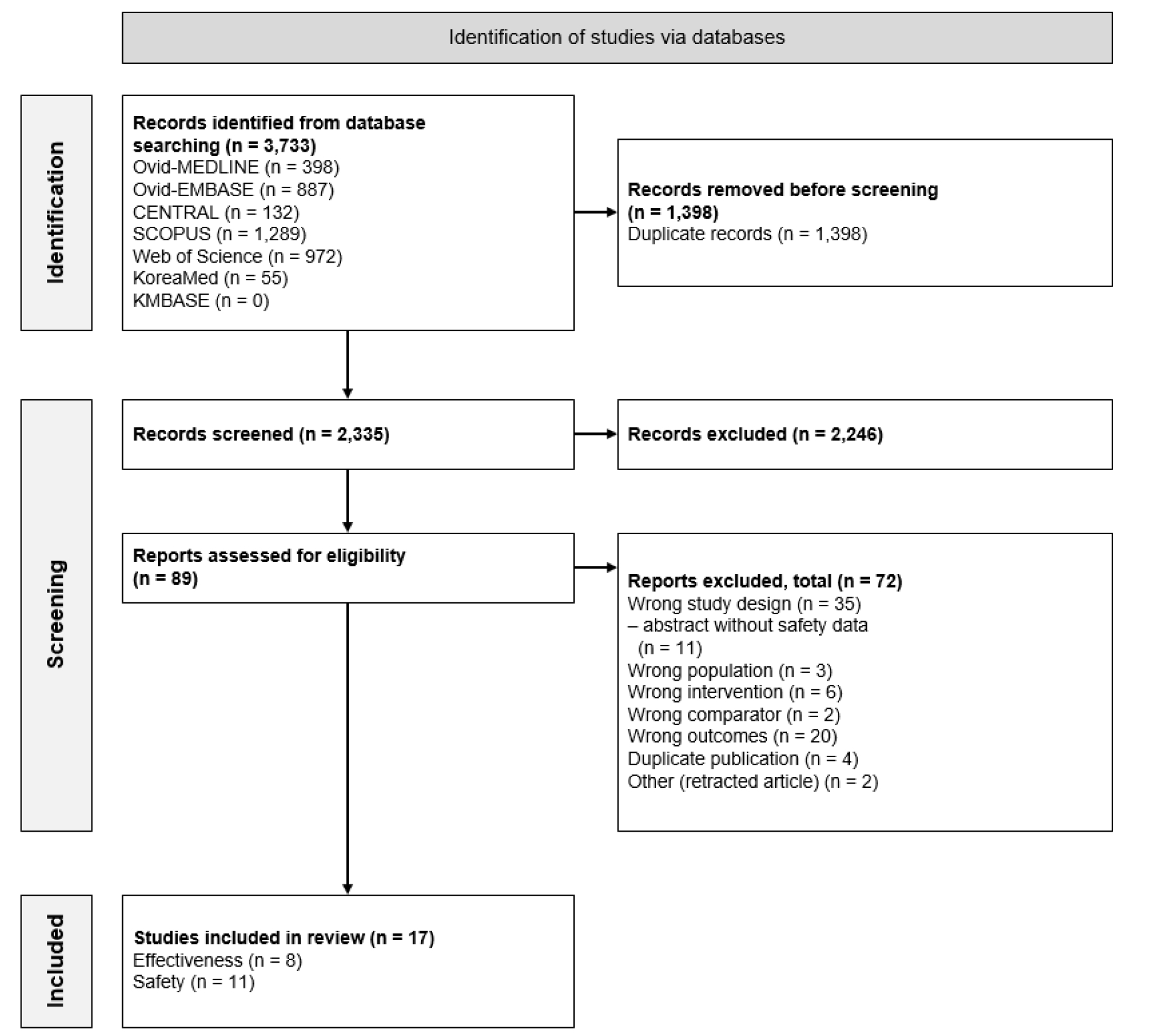
Intravenous intralipid is widely used for women with recurrent reproductive failure —including recurrent pregnancy loss (RPL), recurrent implantation failure (RIF), and repeated IVF failure—despite limited evidence. This systematic review evaluated the effectiveness and safety of intralipid infusion in this population. We searched seven electronic databases from inception to April 14, 2025. RCTs and non-randomized comparative studies (NRCSs) were included for effectiveness analysis; case series and reports for safety. Two reviewers independently screened and extracted data. Risk of bias was assessed using RoB 2.0 and RoBANS 2.0. Meta-analyses used a random-effects model (risk ratios [RR] with 95% CI). Evidence certainty was assessed using GRADE. Seventeen studies were included (8 effectiveness, 11 safety). Pooled RCT data showed intralipid significantly improved clinical pregnancy rate vs. no treatment (RR 2.31, 95% CI 1.42–3.74; I² = 0%; GRADE certainty: low); this effect was not observed in the pooled NRS data for live birth rate or clinical pregnancy rate, and one large NRCS reported a significantly higher miscarriage rate in the intralipid group (RR 1.12, 95% CI 1.04–1.20). No significant differences were observed vs. IVIG or steroids. Serious adverse events were rare. GRADE certainty was very low to low across all outcomes. Current evidence does not support the routine use of intralipid in women with recurrent reproductive failure. While pooled RCT data suggest a potential benefit in clinical pregnancy rate, evidence certainty is low, and this benefit was not observed in the pooled NRS data. Adequately powered RCTs with standardized protocols and live birth rate as the primary endpoint are needed.
  • 40 View
  • 0 Download

Case Report

Successful endoscopic internal drainage for infected intramural esophageal dissection complicated by mediastinal abscess: a case report
Jae Yong Park, Byung Joon Park, Beom Jin Kim, Jae Gyu Kim
J Evid-Based Pract 2026;2(2):112-116.   Published online September 29, 2026
DOI: https://doi.org/10.63528/jebp.2026.00008
Background
Intramural esophageal dissection (IED) is a rare esophageal injury that is usually managed conservatively. However, the optimal treatment for complicated IED associated with infection or mediastinal abscess remains unclear.
Case
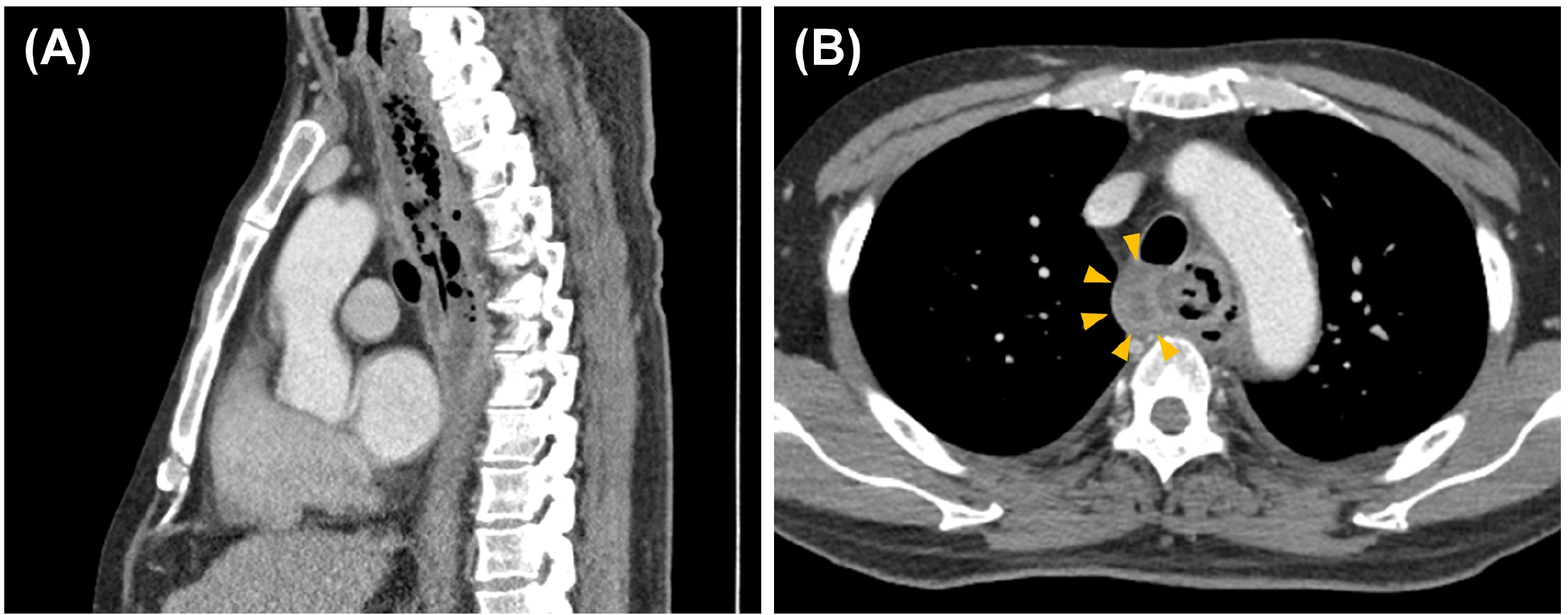
A 57-year-old man with decompensated liver cirrhosis presented with chest pain, odynophagia, and fever. Chest computed tomography revealed IED complicated by mediastinal abscess. Despite conservative management and thoracoscopic drainage, persistent fever suggested inadequate drainage of the infected false lumen. Endoscopic internal drainage was performed by longitudinal mucosal incision, followed by enteral nutritional support via feeding jejunostomy. The patient recovered without major surgery. Six-month follow-up endoscopy demonstrated complete healing of the false lumen with restoration of a single esophageal lumen.
Conclusions
Endoscopic internal drainage may be a feasible organ-preserving treatment option for selected patients with infected IED when adequate drainage cannot be achieved by conservative management or surgical drainage alone.
  • 22 View
  • 0 Download

Original Articles

Evaluating regional diversity in scientific communication: a comparative analysis of COVID-19 preprints and peer-reviewed publications
Dong Hyun Kim, Kyulee Jeon, Seng Chan You
J Evid-Based Pract 2026;2(2):73-83.   Published online September 29, 2026
DOI: https://doi.org/10.63528/jebp.2026.00007
Background
The COVID-19 pandemic triggered extensive global research, leading to an unprecedented surge in both peer-reviewed publications and preprints. Despite their widespread use, the implications of preprints for global diversity in scientific communication remain underexplored. This study evaluates how preprints influenced regional diversity in COVID-19 research by analyzing international collaboration networks, social media engagement, and citation patterns compared to peer-reviewed publications.
Methods
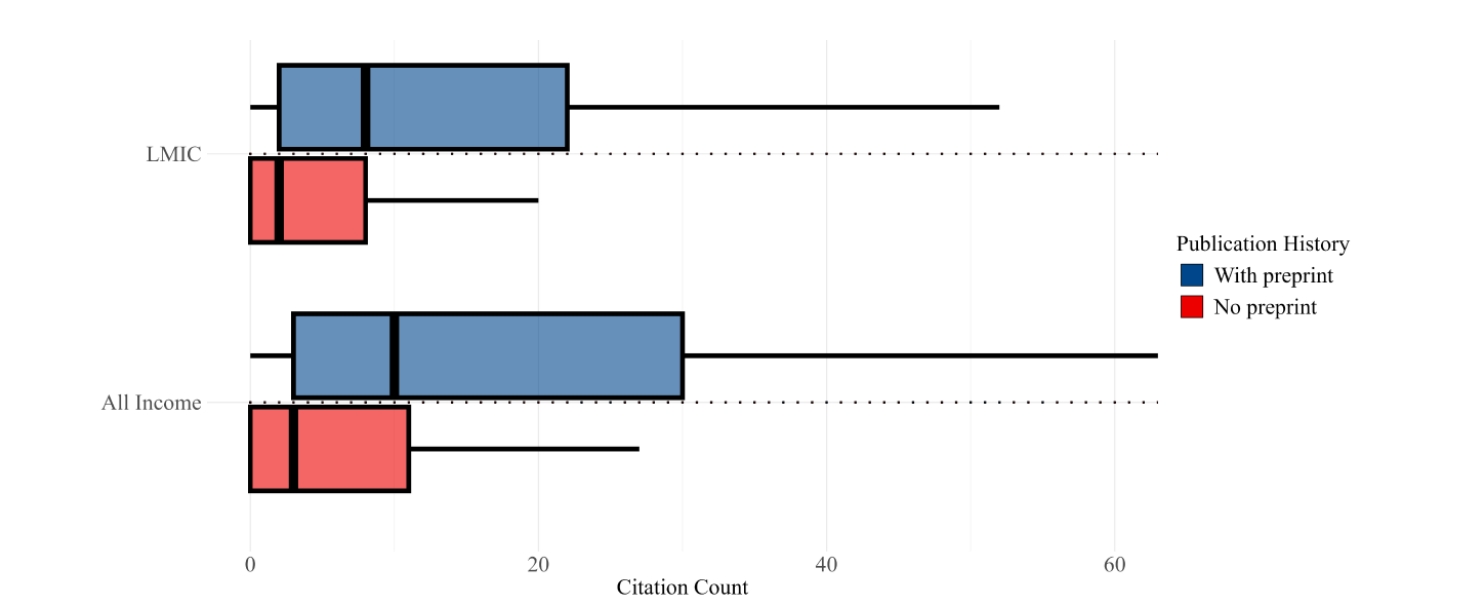
We conducted a comparative analysis of COVID-19-related peer-reviewed publications indexed in SCOPUS and preprints from MedRxiv (December 2019–November 2022). Regional diversity was evaluated using bibliometric metrics stratified by World Bank income classifications and geographic regions. International collaboration was quantified using network analysis metrics, while publication, dissemination, and social media engagement were assessed through relative ratios. Social media engagement was measured by quoted posts on X (formerly Twitter). Citation counts were compared between articles with preprint history versus those published directly in journals.
Results
Authors from Sub-Saharan Africa, Latin America, and the Caribbean showed 3.9–4.5 times higher eigenvector centrality in preprints than in peer-reviewed papers, indicating greater integration into global research networks through preprint platforms. Low-income countries showed higher representation in preprints (P<0.001). Although overall engagement on X was similar for both formats, preprints exhibited higher relative ratios of quoted posts across all income groups. Peer-reviewed articles with preprint history received more citations (median=10, 25th-75th percentiles: 3–30) than those without (median=3, 25th-75th percentiles: 0–11, P<0.001), especially from low- and middle-income countries.
Conclusions
Preprints significantly advanced regional diversity in scientific communication during the COVID-19 pandemic. Preprints enhanced international collaboration networks, particularly benefiting researchers from lower-income regions, facilitated broader social media engagement across all income groups, and conferred meaningful citation advantages for subsequent peer-reviewed publications. These results suggest that preprints represent an important mechanism for promoting more equitable participation in global scientific discourse.
  • 33 View
  • 1 Download
Background
Modifiable risk factors account for a substantial proportion of dementia cases and represent important targets for prevention. However, previous studies have often focused on a limited range of risk factors and have rarely examined whether their associations with dementia differ according to sex and age at onset. Objectives: To investigate sex- and age-specific associations between modifiable risk factors and incident Alzheimer's disease dementia using a nationwide population-based cohort in South Korea.
Methods
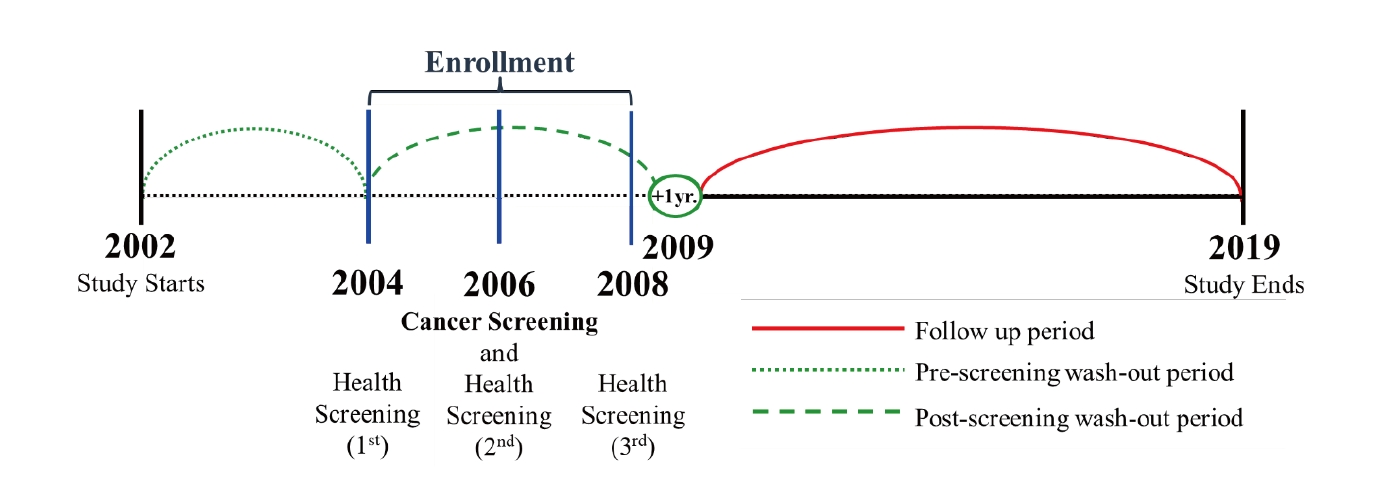
We conducted a retrospective cohort study using the National Health Information Database of the Korean National Health Insurance Service. Among individuals who participated in the National Cancer Screening Program in 2006 and underwent general health examinations in 2004, 2006, and 2008, 599,306 adults aged 40–79 years were included. Participants were followed from 2010 to 2019 after applying pre- and post-screening washout periods. Incident Alzheimer's disease dementia was defined using ICD-10 codes F00 or G30. Cox proportional hazards regression models were used to estimate hazard ratios (HRs) and 95% confidence intervals (CIs). Analyses were stratified by sex and age group to distinguish early-onset Alzheimer's disease dementia (EOAD) and late-onset Alzheimer's disease dementia (LOAD). During the 10-year follow-up period, dementia risk profiles differed substantially according to sex and age at onset. Lower educational attainment was consistently associated with increased dementia risk across all groups. Current smoking and physical inactivity were significant risk factors for dementia in both sexes, whereas underweight status was associated with an increased risk of LOAD. Among chronic conditions, diabetes, hypertension, and depression elevated dementia risk, with depression demonstrating the strongest association, particularly for EOAD (males: HR = 3.61, 95% CI: 2.63–4.96; females: HR = 1.83, 95% CI: 1.46–2.29). Sensory and functional impairments, including hearing loss, visual loss, physical disability, and traumatic brain injury, were also associated with increased dementia risk, although the magnitude and significance of these associations varied by sex and age group. The predictive performance of the models was acceptable, with C-statistics ranging from 0.6784 to 0.7803.
Conclusions
The associations between modifiable risk factors and incident Alzheimer's disease dementia exhibited distinct sex- and age-specific patterns. These findings highlight the importance of tailored dementia prevention strategies that account for differences in demographic characteristics and risk factor profiles. Targeted interventions addressing modifiable risk factors may contribute to reducing the future burden of dementia at both individual and population levels.
  • 37 View
  • 0 Download

Case Report

General anesthesia with remimazolam in a patient with leigh syndrome: a case report
Young Ki Kim, Dong-Hyun Kang
J Evid-Based Pract 2026;2(2):107-111.   Published online September 29, 2026
DOI: https://doi.org/10.63528/jebp.2026.00005
Background
Leigh syndrome is a mitochondrial disorder in which impaired oxidative phosphorylation causes progressive neurologic damage. Brainstem lesions may cause central hypoventilation, apnea, and recurrent pulmonary infection, increasing perioperative risk.
Case
We describe a patient with Leigh syndrome who had chronic central respiratory dysfunction, recurrent pneumonia, and a recent intensive care admission for sepsis and who subsequently underwent tracheostomy under general anesthesia. Anesthesia was induced and maintained with remimazolam and remifentanil. Hemodynamic parameters remained acceptable neuromuscular recovery, spontaneous ventilation remained inadequate, and the patient was returned to the intensive care unit with ventilatory support.
Conclusion
In mitochondrial disease, propofol warrants careful consideration because of concerns regarding mitochondrial effects and propofol infusion syndrome. Remimazolam was selected based on severe respiratory vulnerability, recent multiorgan illness, and the anticipated need for postoperative ventilatory support, rather than as evidence of superiority over other agents.
  • 27 View
  • 0 Download

Original Article

Methodological bias and study design influence the reported link between Vitamin-D deficiency and postoperative hypocalcemia
Katherine Lopera,, Alvaro Sanabria
J Evid-Based Pract 2026;2(1):25-34.   Published online March 30, 2026
DOI: https://doi.org/10.63528/jebp.2026.00004
Background
Post-thyroidectomy hypocalcemia is the most frequent complication after total thyroidectomy. Preoperative vitamin D deficiency has been suggested as a potential risk factor, but inconsistencies exist in the literature, possibly related to methodological differences. To evaluate whether study design and risk of bias influence the association between preoperative vitamin D deficiency and postoperative hypocalcemia in patients undergoing total thyroidectomy.
Methods
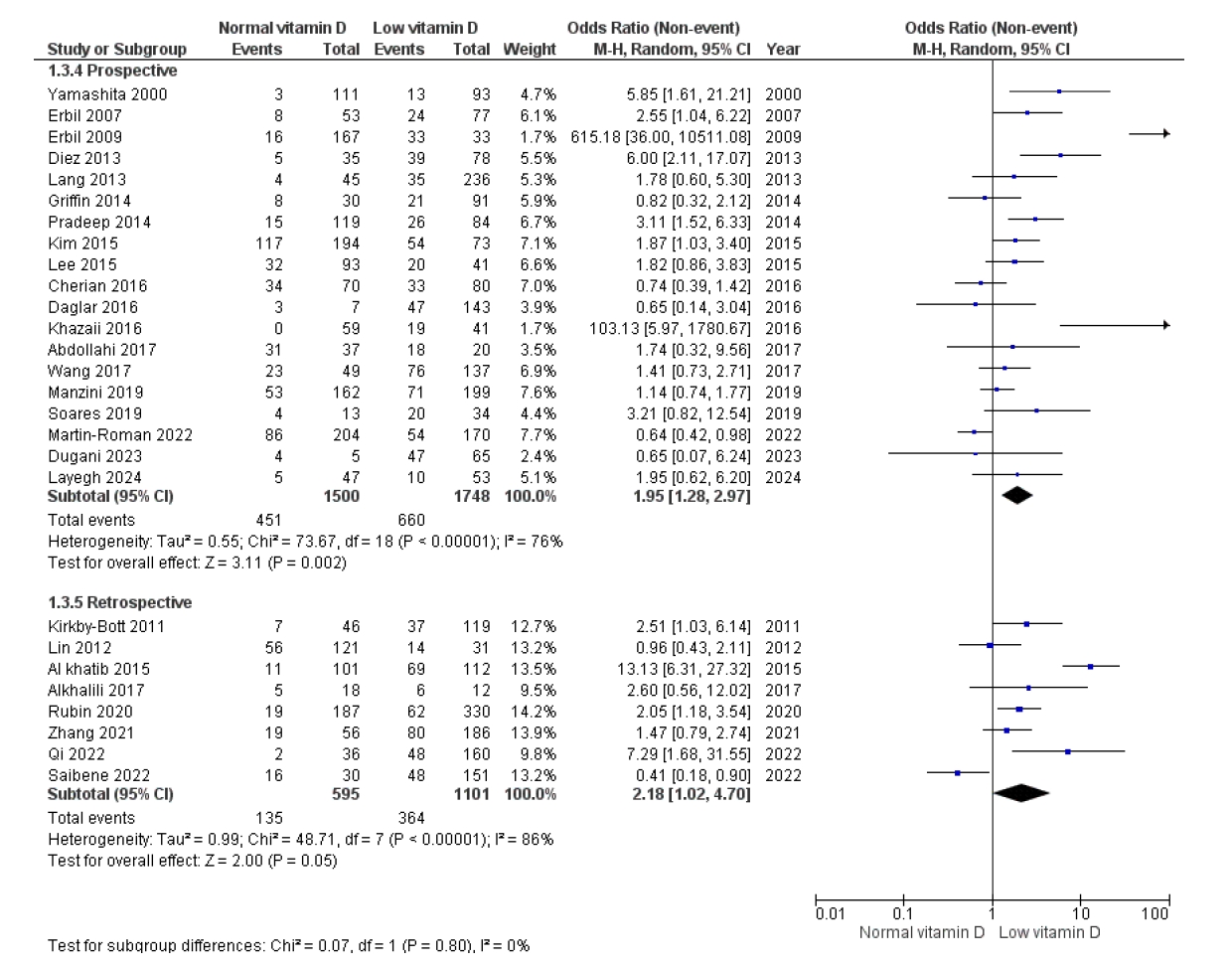
This is a secondary analysis of a previously conducted systematic review. We included observational studies evaluating the association between preoperative vitamin D levels and postoperative hypocalcemia. Methodological quality was assessed using the QUIPS tool. Subgroup analyses were performed based on study design (prospective vs. retrospective) and overall risk of bias (high vs. low/moderate).
Results
Twenty-eight studies comprising 4994 patients were included. Nineteen studies had a prospective design. Both prospective and retrospective studies showed an association between vitamin D deficiency and hypocalcemia; however, the effect size was lower in prospective studies (OR 1.95; 95% CI 1.28-2.97) compared to retrospective ones (OR 2.18; 95% CI 1.02-4.7). Studies with high risk of bias showed a significant association (OR 2.55; 95% CI 1.4-3.6), while those with low/moderate risk did not (OR 1.71; 95% CI 0.96-3.06).
Conclusion
Study design and methodological quality influence the reported association between vitamin D deficiency and postoperative hypocalcemia. These findings suggest caution when recommending preoperative vitamin D supplementation based solely on observational data.
  • 904 View
  • 14 Download

Reviews

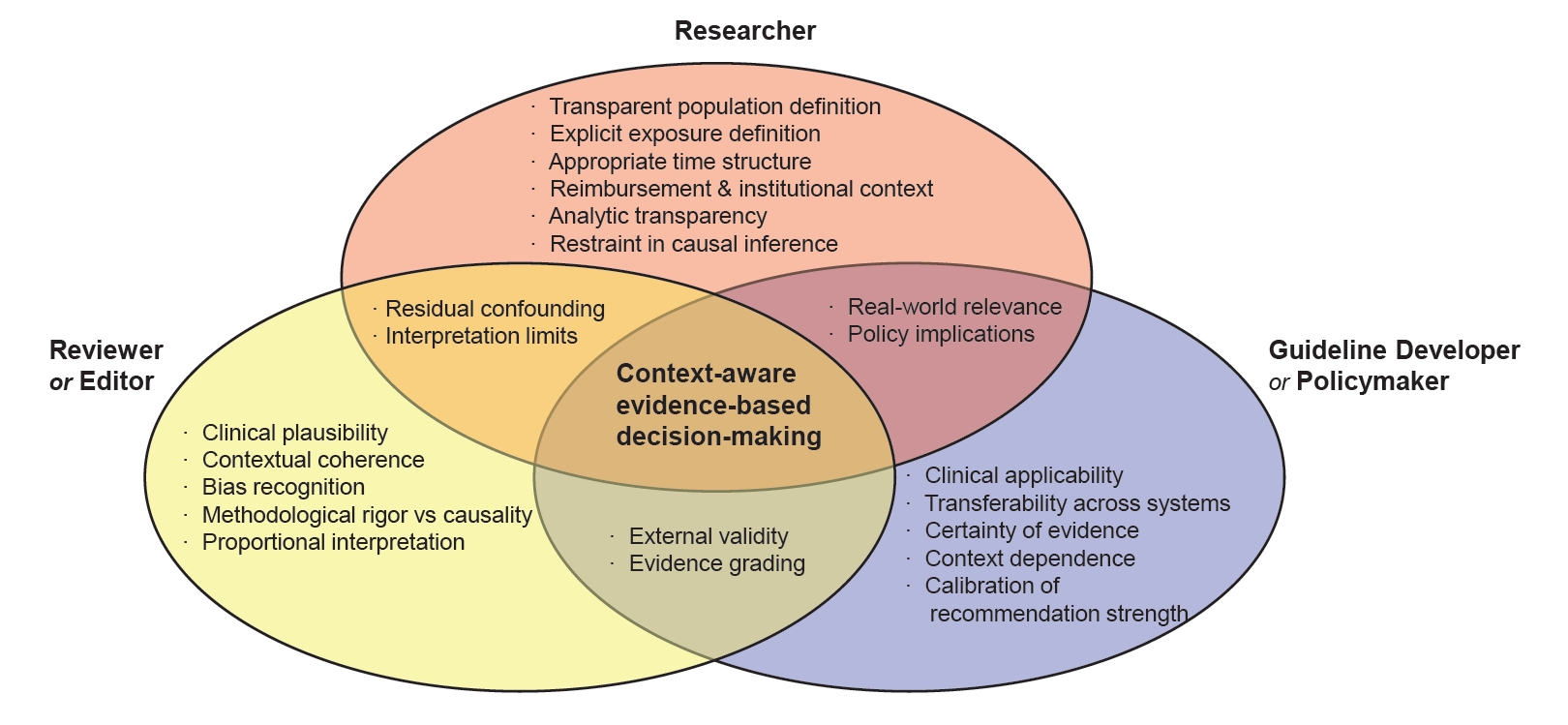
Big data–driven non-randomized studies (NRS) are an increasingly important source of observational evidence in evidence-based medicine, particularly when randomized controlled trials are limited, infeasible, or insufficiently generalizable to routine clinical practice. In Korea, this shift is especially pronounced because a single-payer national health insurance system enables near-complete population coverage, longitudinal follow-up, and linkage of healthcare utilization, prescriptions, and mortality data. These structural advantages, however, also create distinctive interpretative challenges. In big data–based NRS, flexible choices in population definition, exposure classification, index dates, follow-up windows, and outcome specification—together with reimbursement-driven healthcare utilization, frequent policy changes, rapid demographic aging, and evolving standards of care—can render observed associations vulnerable to residual confounding and overinterpretation. Advanced analytic approaches may improve internal validity, but they cannot fully resolve ambiguities related to population specification, temporal structure, or unmeasured contextual factors. This review discusses how to interpret big data–driven NRS using the Korean healthcare system as a representative example. We summarize the strengths that make large-scale observational research indispensable, delineate structural, institutional, and temporal factors that complicate causal inference, and propose practical principles for responsible interpretation. We emphasize the complementary responsibilities of researchers, reviewers and editors, and guideline developers in supporting transparent design, clinically plausible interpretation, and calibrated use of observational evidence in recommendations. A context-aware and proportionate approach is essential to ensure that expanding observational evidence strengthens—rather than distorts—evidence-based clinical and policy decision-making in rapidly evolving healthcare systems with complex institutional incentives.
  • 1,055 View
  • 5 Download
Calculating and extracting missing summary statistics for meta-analysis
Jieun Shin, Taeho Greg Rhee, Seong-Jang Kim, Sung Ryul Shim
J Evid-Based Pract 2026;2(1):1-7.   Published online March 30, 2026
DOI: https://doi.org/10.63528/jebp.2026.00002
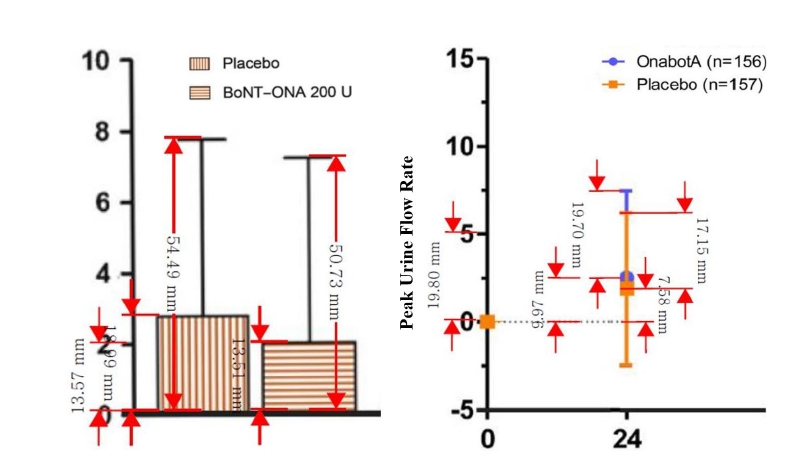
Systematic reviews and meta-analyses are pivotal for evidence-based decision-making but depend on the availability of precise statistical data. Researchers often encounter studies where essential statistics are missing or presented only in graphs, leading to potential data exclusion and selection bias. This study aims to provide specific methodologies for extracting or reconstructing the statistical parameters required for meta-analysis—specifically effect sizes (MD, OR, RR, HR) and their corresponding variance measures (SD, SE, variance)—from incomplete or graphically reported data. We describe calculation and extraction protocols for five specific scenarios encountered in medical literature: (1) continuous data missing standard deviations; (2) categorical data missing standard errors; (3) calculating risk estimates from frequency tables; (4) extracting continuous data presented solely in graphs; and (5) reconstructing hazard ratios from Kaplan-Meier survival curves. Valid meta-analysis requires both an effect size and a measure of variance. When these are not explicitly reported, they can often be derived from other available statistics or digital extraction from figures. While heterogeneity is inherent in meta-analysis, the methodology allows for error adjustment and robust synthesis. Therefore, preventing data loss via these extraction methods is preferable to excluding studies. Maximizing data inclusion enhances the comprehensive value and statistical power of the final analysis.
  • 1,191 View
  • 17 Download
Patient values and preferences in guideline development
Su-Hyun Kim
J Evid-Based Pract 2026;2(1):8-15.   Published online March 30, 2026
DOI: https://doi.org/10.63528/jebp.2026.00001
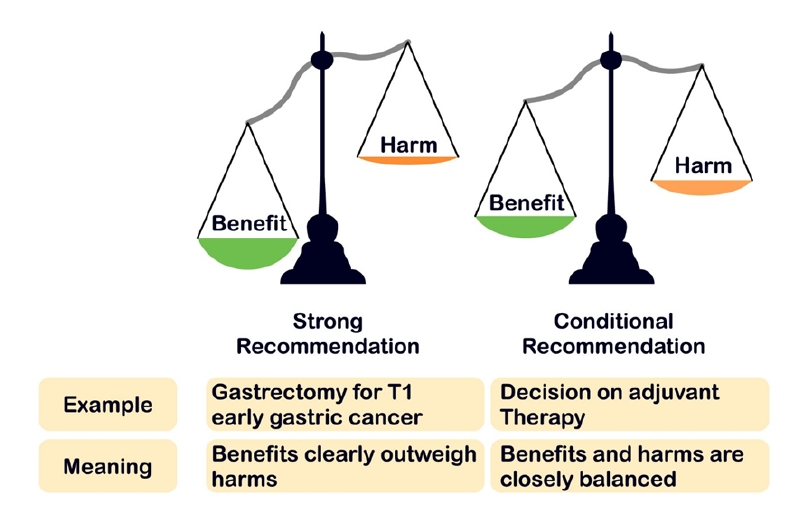
Clinical practice guidelines (CPGs) are critical for translating research into clinical practice; however, high-quality evidence alone does not ensure optimal care. The integration of patient values and preferences is essential for developing recommendations that are both relevant and applicable, yet many guidelines continue to underrepresent patient perspectives and lack transparent incorporation of preference research. This review delineates the distinction between values and preferences, examines their influence on preference-sensitive decisions, and evaluates methods for eliciting patient input, such as utility-based measurements, discrete-choice experiments, and qualitative studies. Systematic integration of this evidence through guideline development enhances both credibility and patient-centeredness. Persistent challenges include issues of representativeness, methodological uncertainty, and cultural barriers. Implementing practical strategies to address these challenges will improve transparency, relevance, and acceptance of clinical practice guidelines.
  • 1,174 View
  • 8 Download
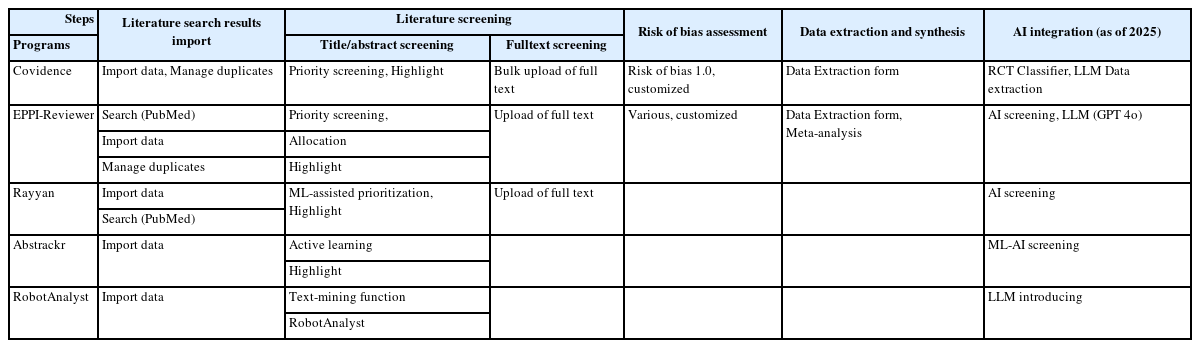
This review explores the current landscape of artificial intelligence (AI)-assisted semi-automation tools used in systematic reviews and guideline development. With the exponential growth of medical literature, these tools have emerged to improve efficiency and reduce the workload involved in evidence synthesis. Platforms such as Covidence, EPPI-Reviewer, DistillerSR, and Laser AI exemplify how machine learning and, more recently, large language models (LLMs) are being integrated into key stages of the systematic review process—ranging from literature screening to data extraction. Evidence suggests that these tools can save considerable time, with some achieving average reductions of over 180 hours per review. However, challenges remain in transparency, reproducibility, and validation of AI performance. In response, international initiatives such as the Responsible AI in Evidence Synthesis (RAISE) project and the Guideline International Network (GIN) have proposed frameworks to ensure the ethical, trustworthy, and effective use of AI in health research. These include principles like transparency, accountability, preplanning, and continuous evaluation. This review highlights both the opportunities and limitations of adopting AI in evidence synthesis and underscores the importance of human oversight and rigorous validation to ensure that such tools enhance, rather than compromise, the integrity of systematic reviews and guideline development.
  • 1,420 View
  • 41 Download
The use of evidence in decision-making in the context of Korean healthcare: a review
Sang-il Lee
J Evid-Based Pract 2025;1(2):51-61.   Published online September 29, 2025
DOI: https://doi.org/10.63528/jebp.2025.00007
This paper examines some examples of not well integrating evidence into healthcare decision-making within the Republic of Korea, a nation characterized by a rapidly evolving and financially strained healthcare system. The review introduces various conceptual frameworks of evidence-based practice, including Evidence-Based Medicine (EBM), Evidence-Based Public Health (EBPH), and Evidence-Based Health Policy (EBHP), alongside a nuanced typology of scientific (context-free and context-sensitive) and colloquial evidence. Through brief literature reviews, the paper identifies significant barriers and crucial facilitators to effective evidence utilization. These include deficiencies in research infrastructure, accessibility gaps, the influence of political and value-based considerations, and the pervasive challenge of "decision-based evidence making." The report concludes by proposing actionable recommendations aimed at strengthening the evidence ecosystem, fostering deliberative processes, enhancing Health Technology Assessment (HTA) integration, and cultivating a robust culture of evidence-informed policy-making in Korea.
  • 1,190 View
  • 14 Download
Step-by-step guide to meta-analysis of clinical trials using RevMan web version
Hyun-Ju Seo
J Evid-Based Pract 2025;1(2):40-50.   Published online September 29, 2025
DOI: https://doi.org/10.63528/jebp.2025.00006
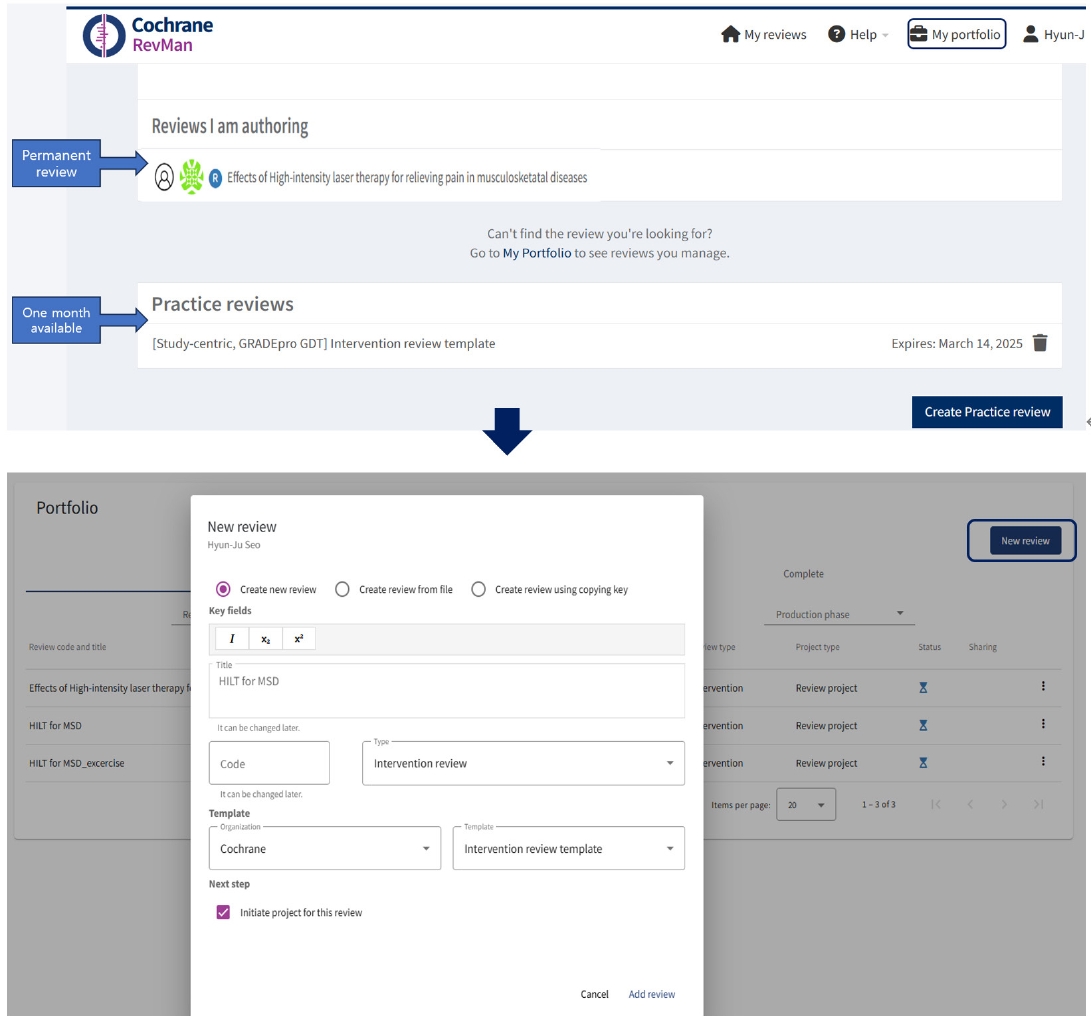
This paper focuses on basic meta-analyses using the updated RevMan Web version, based on the Cochrane Handbook of Systematic Reviews of Interventions for clinical trials. Theoretical statistical knowledge, such as the REML method for estimating heterogeneity variance in random-effects meta-analyses, the HKSJ method for reflecting the uncertainty of pooled estimates, and the prediction interval in a random-effects model for exploring true treatment effects in a future trial, is briefly described. Examples with synthetic data are presented to help with the understanding of meta-analysts.
  • 1,698 View
  • 32 Download
Development of evidence-based medicine and introduction to Korea
Ga-yeon Goo, Byung-joo Park
J Evid-Based Pract 2025;1(2):31-39.   Published online September 29, 2025
DOI: https://doi.org/10.63528/jebp.2025.00005
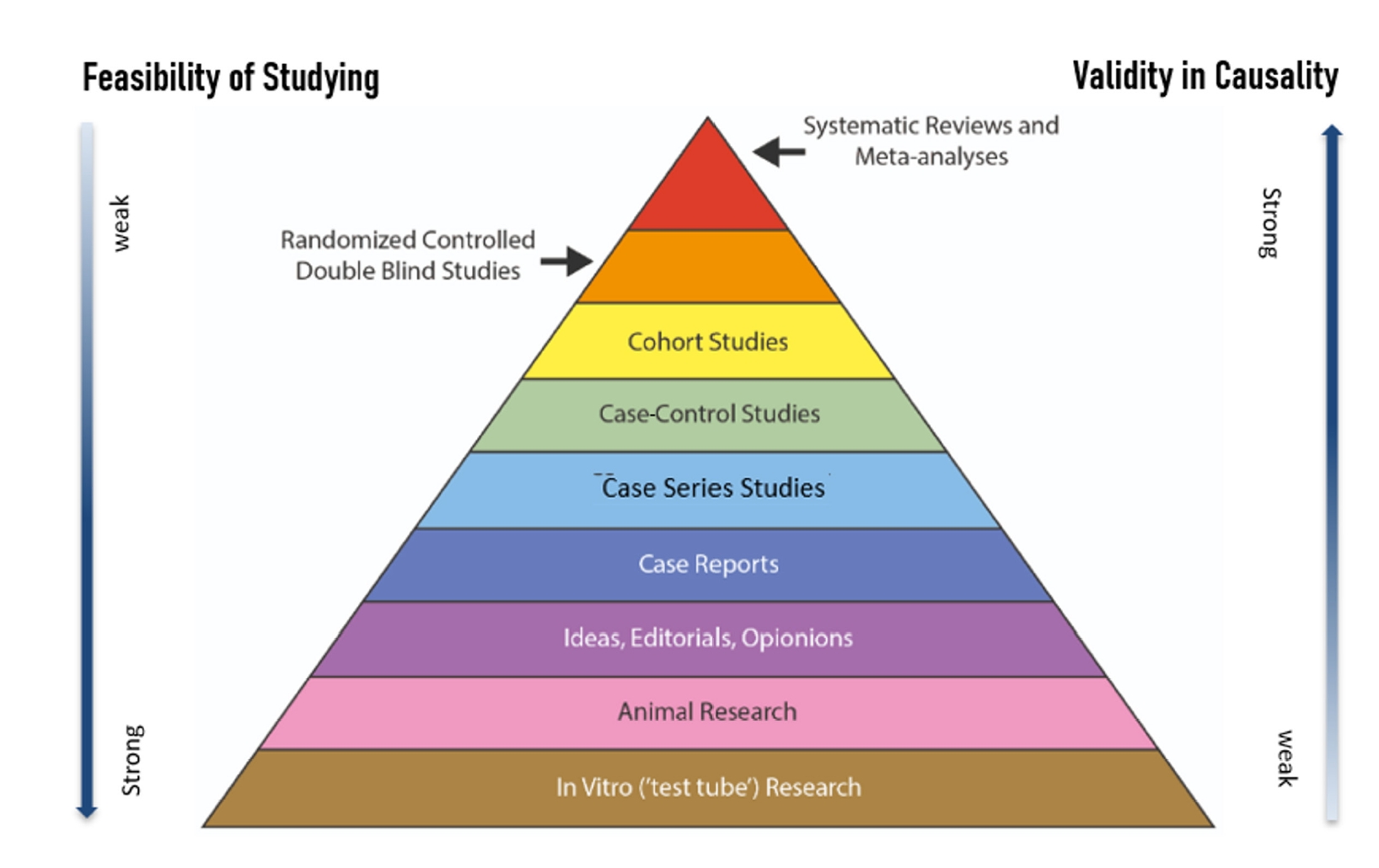
Evidence-Based Medicine (EBM) demands systematic changes across the healthcare system, essential for enhancing patient safety and quality of medical care. To address the question, "Are we adopting scientific methods to optimize patient safety and enhance treatment efficacy?", assessing the level of EBM implementation is crucial. The adoption rate of evidence-based medical practices varies across countries and medical fields, often being lower in resource-limited settings. In South Korea, there have been several documented cases where the adoption of non-evidence-based practices, such as CARVAR surgical procedures not based on scientific evidence, has led to severe patient safety issues, thereby raising significant concerns about the quality of medical care provided. Conversely, the ABBA Study exemplifies successful application of EBM, demonstrating how scientific research assessed the risk of intracranial hemorrhage in patients with low-dose PPA in OTC cold medicines. This study not only confirmed the associated risks but also influenced health policy, resulting in the withdrawal for PPA-containing OTC cold medicines in Korea. This positive example highlights the imperative for governments, healthcare institutions, and medical schools to expedite the transition to evidence-based, patient-centered healthcare by fostering a robust commitment to systematic reviews and enhanced support for clinical research. The Korean Society of Evidence-Based Medicine (KSEBM) is expected to play a significant role in embedding these core strategies domestically
  • 1,491 View
  • 31 Download

Original Articles

Development of the clinical practice guideline protocol registration program and its pilot application in Korea
Hyun Jung Kim, You Kyoung Lee, Soo Young Kim, Kyu Chang Wang, Ho Sin Gwak, Yeol Kim
J Evid-Based Pract 2025;1(1):24-29.   Published online March 31, 2025
DOI: https://doi.org/10.63528/jebp.2025.00004
Background
In the case of clinical practice guideline (CPG), the need for the prospective registration of protocols has been proposed several times. However, the registration of CPG protocols is not yet active. The objective of this study was to summarize the experience of the CPG protocol registration program in Korea.
Methods
This study was performed in the following order: 1) formation of a methodological expert group; 2) CPG protocol template development; 3) CPG protocol preparation and expert review; 4) exploration of the knowledge and attitude of the guideline developers toward CPG protocol.
Results
The final version of the CPG protocol templates consists of four parts (planning, development, finalization, and timetable). The protocols for 18 cancers were submitted by 14 medical societies. conflicts of interest (n = 14, 77.8%), guideline development group (GDG; n = 9, 50%), scope of CPG (n = 9, 50%), and key questions (n = 8, 44.4%) were the under-reported areas in the submitted protocols. The GDGs (n = 13, 72.7%) was the most misreported areas of the protocol. CPG developers generally agreed on the advantages of protocol registration but responded that it was difficult to understand the concepts in the protocol and fill them with appropriate content. The areas where CPG developers responded that they felt difficulty were were recommendation grade (n = 9, 75.0%), GDG composition (n = 7, 58.3%), and determining key questions (n = 7, 58.3%).
Conclusions
The CPG protocol registration program was planned and piloted in Korea, and it could be said that it is feasible. It is necessary to evaluate the developed CPG later and determine whether protocol registration affects the quality of CPG through indices such as transparency and clarity of CPG.
  • 2,422 View
  • 23 Download
Familial risk and interaction with hypertension and hyperglycemia in primary open-angle glaucoma
Hyeong Sik Ahn, Heather Swan, Hee-Sang Lee, Sayada Zartasha Kazmi, Kun-Hoo Na, Taeuk Kang, Hyun Jung Kim
J Evid-Based Pract 2025;1(1):12-23.   Published online March 31, 2025
DOI: https://doi.org/10.63528/jebp.2025.00003
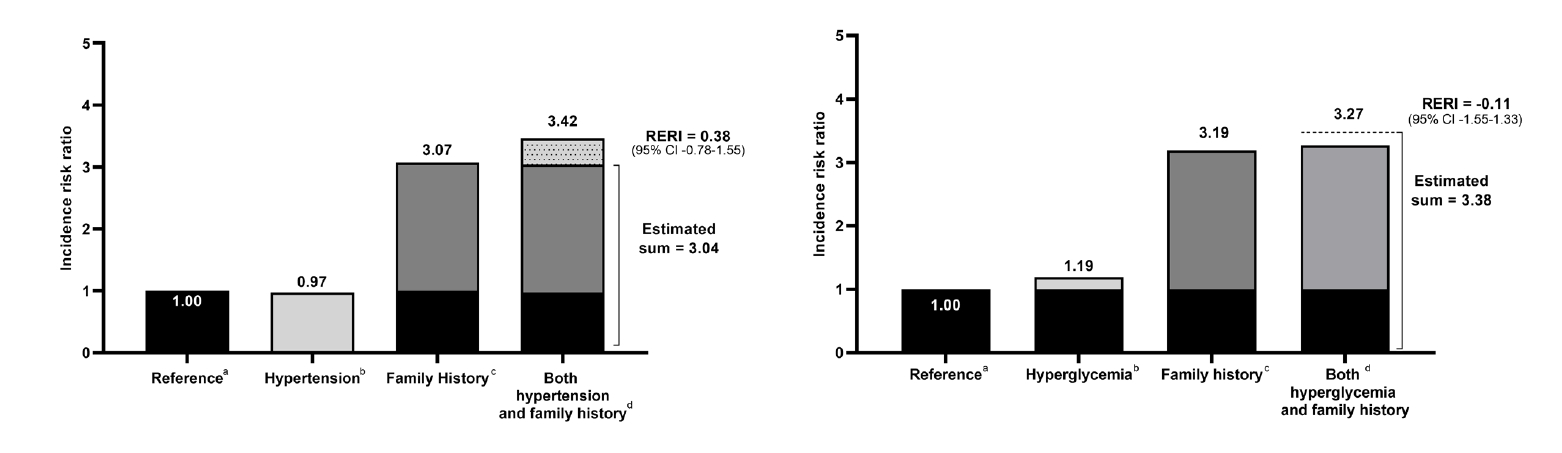
Although there is a genetic component to primary open-angle glaucoma (POAG) susceptibility, few studies have investigated interactions between genetic and environmental factors. We aimed to quantify the familial risk of POAG and estimate disease risk among individuals with a positive family history and either hypertension or hyperglycemia, as well as assess their interactions. Using the National Health Insurance database, which includes information on familial relationships and lifestyle risk factors, we identified 6,217,057 individuals with first-degree relatives (FDRs) from 2002-2018. We calculated familial risk using hazard ratios (HRs) with 95% confidence intervals (CIs) which compare the risk of individuals with and without affected FDRs. Disease risk was estimated among individuals with both a positive family history and hypertension or hyperglycemia, and interactions were assessed on an additive scale. Individuals with an affected parent had a 3.13-fold (95% CI 2.74 –3.58) increased risk of disease compared to those with unaffected parents. Individuals with affected father, mother, or both affected parents showed HRs (95% CI) of 3.50 (2.86 –4.30), 2.87 (2.41 –3.44) and 4.88 (1.83 –12.98), respectively. Familial risk adjusted for lifestyle factors decreased slightly (HR 3.14), suggesting that genetic component is the predominant driver in the familial aggregation. Individuals with a positive family history and either hypertension or hyperglycemia had a markedly elevated risk of disease, with HRs of 3.42 (95% CI 2.49 –4.69) and 3.27 (95% CI 2.15 –4.97), respectively. Hypertensive or hyperglycemic individuals with a positive family history may be considered a high-risk group and glaucoma screening may be considered.
  • 2,912 View
  • 23 Download

Review

Beyond the paywall: the role of preprints in overcoming publication bias
Hyun Kang
J Evid-Based Pract 2025;1(1):7-11.   Published online March 31, 2025
DOI: https://doi.org/10.63528/jebp.2025.00002

Preprints have become a transformative tool in scientific communication, addressing critical challenges of traditional publishing, including long peer-review timelines, high costs, and systemic publication bias. Publication bias, which disproportionately favors studies with positive or statistically significant results, undermines the comprehensiveness and accuracy of the scientific record. By offering an open platform for sharing all research findings, preprints ensure that studies with null or negative results are also represented, mitigating the selective publication that skews research fields and meta-analyses. The COVID-19 pandemic highlighted the importance of preprints, as they facilitated the rapid dissemination of urgent findings while maintaining accessibility. Unlike traditional journals, preprints bypass lengthy review processes, enabling immediate access to data and fostering timely feedback, collaboration, and application. This inclusivity and transparency enhance trust in the research process while democratizing access to scientific knowledge. Despite their advantages, preprints face challenges, such as inconsistent quality standards, discrepancies between preprints and final publications, and risks associated with unverified findings. These challenges can complicate their use in systematic reviews and evidence-based medicine, requiring careful consideration and handling.This paper explores the interplay between preprints and publication bias, detailing how preprints can reduce bias while identifying limitations that must be addressed.

Citations

Citations to this article as recorded by  
  • Correcting what cannot be corrected: rethinking publication bias analysis methods in clinical meta-analyses
    Hyun Kang
    Korean Journal of Anesthesiology.2026; 79(3): 271.     CrossRef
  • Open Science Practices in Systematic Reviews From 2014 to 2024: A Cohort Study of 300 Systematic Reviews
    Kenneth Färnqvist, Patrik Karlsson, Vera Wachtmeister, Patrick Vallance, Emma Sinervo
    Cochrane Evidence Synthesis and Methods.2026;[Epub]     CrossRef
  • 2,195 View
  • 16 Download
  • 2 Crossref
TOP